
<a href="https://www.theblaze.com/shows/the-glenn-beck-program/did-cloud-seeding-cause-the-texas-floods-glenn-beck-speaks-with-the-man-with-the-most-fingers-pointed-at-him" target="_blank">View original image source</a>.
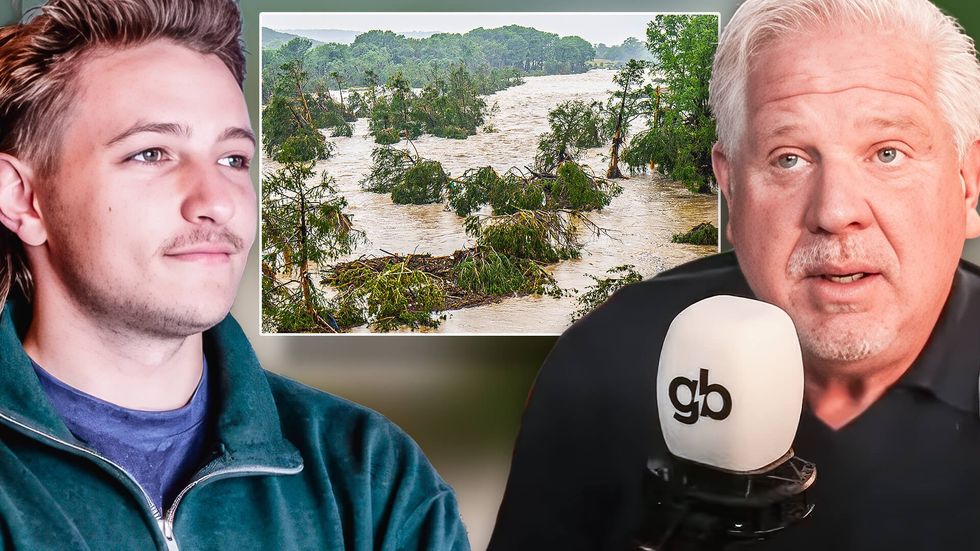
Texas just experienced some of the most harrowing flooding the region has ever seen, with waters rising faster than a Texas cowboy can ride. Over Fourth of July weekend, Kerrville was hit by floods that claimed over 100 lives and left many residents reeling. While cries for help echo through the communities, some are pointing fingers at Augustus Doricko, CEO of Rainmaker, who had the audacity to seed clouds just two days before the rain began pouring down. Coincidence? You decide.
Doricko insists that cloud seeding can’t take the blame for this catastrophic weather event, explaining that while his efforts can boost precipitation, they don’t come close to the trillions of gallons that fell during this disaster. As if trying to avoid a blame game, he stated that the clouds he seeded were tiny and vanished within hours. It’s like he showed up to a barbeque and got accused of burning the brisket when it was actually the guy next door grilling a whole cow.
The discussion around cloud seeding brings up a bigger question: should we be engaging in weather modification at all? With China pouring billions into their weather control efforts, is the U.S. behind the curve on this technology? As we ponder that, it’s worth noting—would you trust technology to help or hinder when nature goes rogue? Get your thoughts ready, because this tech debate is heating up faster than the Texas sun.
To get daily local headlines delivered to your inbox each morning, sign up for newsletter!